
Kelley Blue Book: We Know Cars
Cox Automotive, IncAuto & Vehicles
4.7187.00 Reviews
- Version
- 2.11.0
- Installs
- 100.00K
- Age Rating
- Everyone
Screenshots
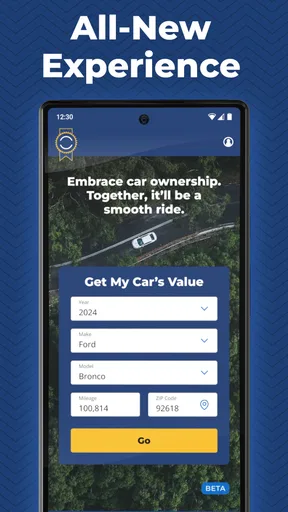
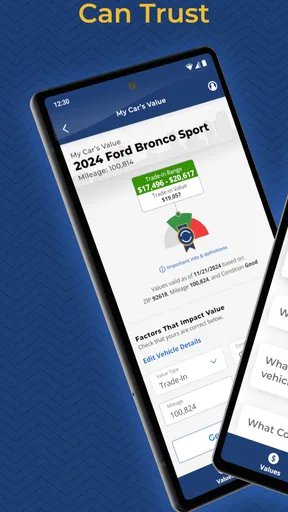
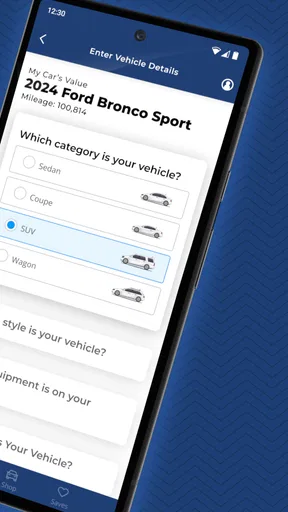

Our Review of Kelley Blue Book: We Know Cars
 Analysis by Appyee
Buying, selling, or simply trying to understand a car can become confusing very quickly. Advertised prices vary, trim names are easy to mix up, and a vehicle that looks like a bargain may have a very different value once mileage, condition, and local demand are considered. I found Kelley Blue Book: We Know Cars most useful as a starting point for bringing those questions into one place. It is a free Auto & Vehicles app from Cox Automotive, Inc., built around car values, research, and related shopping decisions.
My first impression was that this is less of a “help me choose a car right now” tool and more of a reference companion for the moments before and after a purchase. It can help you form a realistic idea of what a vehicle is worth, compare possibilities, and prepare better questions for a dealer or private seller. That distinction matters because the best alternative depends on what you need: a valuation guide, a marketplace, a maintenance record, or a fast way to browse nearby listings.
How I judged its usefulness before trusting it with a car decision
I would not judge this app only by how quickly it opens a vehicle page. For a car-value tool, the important test is whether it makes an uncertain decision more structured. Can I identify the right vehicle rather than a similar one? Can I use the result during a negotiation without treating it as an absolute price? Does the research help me understand the ownership decision, or does it merely produce another number?
That is the standard I used here. The app’s store summary focuses on car values, research, and more, while its short description identifies it as Kelley Blue Book. In practical terms, I see it as a decision aid rather than a replacement for an inspection, a test drive, a vehicle-history check, or a local market search.
The app has a 4.6 average from around 2.3 thousand ratings, and its listing shows more than 100 thousand installs. Those figures suggest that it has found an audience among people researching vehicles, but they do not remove the need to use judgment. A valuation is only as useful as the vehicle details entered and the context surrounding the sale.
I also appreciate that the app is free and marked for Everyone. That makes it easy to recommend as an early research step, especially when you are not yet sure whether you will buy, sell, trade in, or keep your current car. It runs on Android 9 or later, and the current version is 2.9.0. The release date shown for the app is November 13, 2024, so users with older devices should check compatibility before planning their entire shopping process around it.
The workflow I would use before contacting a seller
I would begin with the exact vehicle information I can gather: model year, make, model, body style, and any trim or equipment details that are known. The most important practical tip is to avoid entering a vague description when a more precise one is available. “A used sedan from this brand” is not enough for a meaningful comparison. Small differences in trim, drivetrain, mileage, and condition can change how a value should be interpreted.
After getting a value estimate or research result, I would write down the assumptions behind it instead of copying the number into a message to the seller. This is one of the less obvious ways to use the app well. The result is a conversation starter: it gives me a range or reference point to investigate, not permission to declare that a seller is wrong.
Then I would compare that reference with actual asking prices in my area and inspect the vehicle in person. If the car has worn tires, warning lights, body repairs, incomplete service records, or an unusual configuration, the app should not be treated as a substitute for accounting for those details. Its strength is organizing research; its weakness, like that of any remote valuation tool, is that it cannot experience the car on the road for me.
Where the app is especially helpful
The clearest advantage is having a recognizable valuation and research source available while a decision is still forming. If I see a used car in a driveway, on a dealer lot, or in an online advertisement, I can use the app to create a more informed baseline before becoming emotionally attached to the deal.
That matters in a realistic everyday situation. Imagine I am replacing a family car after an unexpected repair becomes too expensive. I find a vehicle that appears affordable, but the seller describes it with a broad model name and says the price is firm. Rather than negotiating from instinct, I would use the app to identify the relevant vehicle details, check the research available for that model, and make a short list of questions about condition and equipment. I would still arrange an inspection, but I would arrive better prepared and less likely to confuse a low asking price with good value.
I also like the app for the opposite situation: preparing to sell a car. Sellers often anchor themselves to what they paid or to the highest similar advertisement they can find. A valuation reference can encourage a more realistic starting point. I would use it alongside local listings, because the price that looks reasonable nationally may not match the supply and demand in my area.
Trade-in discussions are another useful scenario. A dealer’s offer may include convenience, tax considerations, or the cost of preparing the vehicle for resale. The app can help me understand the vehicle’s general value before I decide whether the convenience is worth accepting a lower offer. It does not tell me whether a particular deal is good in isolation; it helps me separate the trade-in value from the rest of the transaction.
Three habits that make the research more reliable
First, I would save the vehicle details and revisit them after checking the actual car. If the seller’s description changes after I see the vehicle, I would update my thinking rather than defending the first result. This simple habit prevents the common mistake of forcing a real car to fit an earlier estimate.
Second, I would use the app before negotiating, not only after receiving an offer. Once someone gives me a price, it is easy to judge every piece of information in a way that supports or rejects that number. Researching earlier gives me a calmer baseline and makes it easier to spot what still needs verification.
Third, I would treat condition as a separate layer of analysis. A clean valuation result cannot reveal hidden mechanical problems, neglected maintenance, accident repairs, or an uncomfortable driving position. I would pair the app with a pre-purchase inspection and a careful test drive whenever the decision involves meaningful money.
The strongest use of this app is not finding a magic price; it is reducing the number of uninformed assumptions in a car decision. That is a more modest promise, but it is also the one I would trust.
Where Kelley Blue Book wins, and where another category may fit better
Kelley Blue Book: We Know Cars stands out when I want an established research reference rather than a stream of advertisements. Its purpose fits the early and middle stages of a decision: understanding a vehicle, estimating its value, and preparing for a purchase, sale, or trade-in conversation.
Compared with a general classifieds marketplace, the app is better suited to the question “What should I investigate about this vehicle?” A marketplace is usually stronger when the immediate goal is finding nearby inventory, contacting sellers, arranging a viewing, or comparing live advertisements. If I already know the exact car I want and simply need to locate one for sale, a listing-focused service may save me more time.
Compared with a vehicle-history service, this app serves a different purpose. A history report can be the better choice when I need to investigate title events, recorded accidents, ownership history, or other background information tied to a particular vehicle identification number. I would not use a value guide as a replacement for that kind of due diligence.
Compared with a maintenance reminder or service-record app, this one is more relevant to market research than long-term ownership tracking. If my main concern is remembering oil changes, storing receipts, or planning repairs, a dedicated maintenance tool may be more useful each week. The Kelley Blue Book app makes more sense when the car itself is part of a financial decision.
There is also a difference between this app and an automotive forum. Forums can provide detailed owner experiences, including recurring annoyances or practical repair advice for a specific model. That information can be valuable, but it may be inconsistent and difficult to separate from personal preference. The app offers a more focused starting point for valuation and research, while owner communities can fill in the lived experience afterward.
Limitations I would keep in mind
The first limitation is that a value estimate can create false precision. Even when the app presents useful research, a vehicle is not a standardized object. Condition, location, maintenance, color, equipment, timing, and seller type all influence the real transaction. I would be uncomfortable using one app result as proof that a price is fair or unfair.
The second is that the quality of the result depends on the information I provide. If I select the wrong trim or overlook important equipment, the output may look authoritative while describing a different version of the car. This is why I would slow down during vehicle identification instead of tapping through the first similar option.
The third is that research does not automatically become action. The app may help me understand a vehicle, but I still have to call the seller, inspect the car, verify documents, compare financing, and decide whether the ownership costs fit my budget. People looking for an all-in-one buying transaction may find a marketplace or dealer platform more direct.
I would also skip it as my main tool if I am only browsing for entertainment or if I need immediate local inventory. In those cases, the app may add an extra step before I reach the information I actually want. It is more valuable when I am willing to pause and research rather than simply scroll through cars.
What switching to it really costs
Because the app is free, the main cost of switching is not money. It is time and attention. I would need to enter vehicle details carefully, learn how to interpret the results, and combine them with other checks. That is a worthwhile trade for a serious buyer, but it may feel unnecessary to someone who already has a trusted dealer, a mechanic, and a clear purchase plan.
There is also a mental cost to adding another reference. If I use a marketplace price, a dealer quote, a private seller’s expectation, and an app valuation without understanding why they differ, I may become more confused rather than better informed. My advice is to assign each source one job: use this app for valuation and research, listings for real-world asking prices, a history service for vehicle background, and an independent mechanic for condition.
For sellers, switching can change the conversation. Instead of choosing a price based only on emotion or an old purchase receipt, I would have a structured reference before publishing an advertisement. For buyers, the change is more subtle: the app encourages research before commitment. That can protect against impulsive decisions, but it can also slow down a purchase when a genuinely good vehicle appears and the market moves quickly.
The practical answer to whether it is worth installing is simple. If I expect to buy, sell, trade, or seriously compare cars, I would install it early and use it as one part of a process. If I only need nearby listings or a repair log, I would choose a more specialized category first.
My recommendation for different kinds of drivers
I recommend it most strongly to first-time buyers, private sellers, and owners preparing for a trade-in conversation. These users often need a neutral starting point because they do not yet know which questions matter. The app can help turn a vague feeling that a car is “too expensive” or “a great deal” into a more disciplined investigation.
It is also useful for experienced shoppers who want a quick reference before comparing several vehicles. Even if I already understand cars, I can benefit from keeping valuation research separate from the excitement of a test drive. That separation makes it easier to walk away when the numbers and the vehicle’s condition do not line up.
I would recommend a different primary tool to someone who already knows the exact vehicle identification number and needs a detailed history report, someone searching only for live local inventory, or an owner whose main task is tracking maintenance. Those are not failures of this app; they are different jobs.
Overall, I see Kelley Blue Book: We Know Cars as a sensible free companion for car decisions, not as a complete buying system. Its 4.6 average, broad install base, and clear focus on values and research make it easy to try, while its real usefulness comes from how carefully I use the information. I would install it before negotiating, verify every important vehicle detail, compare its guidance with local asking prices, and still rely on an inspection and history check before paying.
My final recommendation is therefore positive but measured: use it to prepare, question, and compare. Do not use it to skip the real-world checks that determine whether a particular car is worth owning. When used in that role, it earns a place in my car-shopping toolkit and gives everyday buyers a more confident way to begin.
Privacy and Permissions
See what permissions an app requests and how it handles your data.
- Location
- approximate location (network-based), precise location (GPS and network-based)
- Photos/Media/Files
- read the contents of your USB storage, modify or delete the contents of your USB storage
- Storage
- read the contents of your USB storage, modify or delete the contents of your USB storage
- Camera
- take pictures and videos
- Microphone
- record audio
- Wi-Fi connection information
- view Wi-Fi connections
- Other
- view network connections, connect and disconnect from Wi-Fi, full network access, run at startup, control vibration, prevent device from sleeping, read Google service configuration
Verdict
Strengths of Kelley Blue Book: We Know Cars
- Trusted vehicle pricing from a well-known automotive source.
- Useful tools for comparing cars, trims, and ownership costs.
- Includes dealer listings and vehicle availability in many areas.
- Helpful reviews, ratings, and expert buying guidance.
- Supports research for both new and used vehicle purchases.
Limitations of Kelley Blue Book: We Know Cars
- Some features depend on location and may be limited in smaller markets.
- Listings and prices can change quickly, requiring frequent updates.
- Advertising and dealer promotions may feel intrusive to some users.
- Vehicle valuations are estimates and may differ from local offers.
- The app can feel overwhelming for users seeking only a quick price check.
Other Releases by Cox Automotive, Inc
View All
CentralDispatch Carrier Hub
Auto & Vehicles3.8
Similar Picks in This Category
View All
Android Auto
Google LLC4.1

maxim — order a taxi & food
PT. SITO4.7

Штрафы ГИБДД: проверка с фото
Pays LLC – Штрафы ГИБДД4.7

Номерограм – проверка авто
Авто Ассист4.8

Дром Авто
Дром4.9

Frequently Asked Questions
What is Kelley Blue Book: We Know Cars used for?
Kelley Blue Book: We Know Cars is designed to help people research, value, buy, sell, and maintain vehicles. From the app, users can explore vehicle reviews, compare models, check estimated market values, view pricing information, and find useful ownership resources. It is especially helpful when preparing to purchase a new or used car or when estimating a vehicle’s trade-in or resale value.
Can I get an accurate value for my car with Kelley Blue Book?
The app provides an estimated vehicle value based on information such as the make, model, year, mileage, condition, equipment, and location. It is a useful starting point for understanding a car’s approximate market range, but the final price may differ depending on local demand, dealer offers, inspection results, service history, and optional features. Users should treat the estimate as guidance rather than a guaranteed offer.
Does the app help me find cars for sale near me?
Yes, Kelley Blue Book can help users browse vehicle listings and research cars available in their area, depending on the features and marketplace coverage available in their region. You can typically filter results by price, make, model, mileage, body style, and other preferences. Listing availability, dealer information, pricing, and search tools may vary by location and can change over time.
Is Kelley Blue Book: We Know Cars free to download and use?
The app is generally available to download without an upfront cost, and many of its research tools, vehicle reviews, pricing guides, and valuation features can be accessed for free. However, some actions may connect you with dealerships, advertisers, financing providers, or third-party services. Always review the information shown in the app, including any optional offers, terms, and privacy choices before submitting personal details.
Does Kelley Blue Book provide vehicle reviews and maintenance information?
Yes, the app includes automotive research intended to help users understand different vehicles before making a decision. Depending on the model and available content, you may find expert reviews, specifications, feature highlights, comparisons, ownership guidance, and information related to maintenance or recalls. The app is useful for research, but it should not replace a professional inspection or advice from a qualified mechanic when evaluating a specific used vehicle.
